When to Call Pest Control Services Instead of Trying DIY Sprays
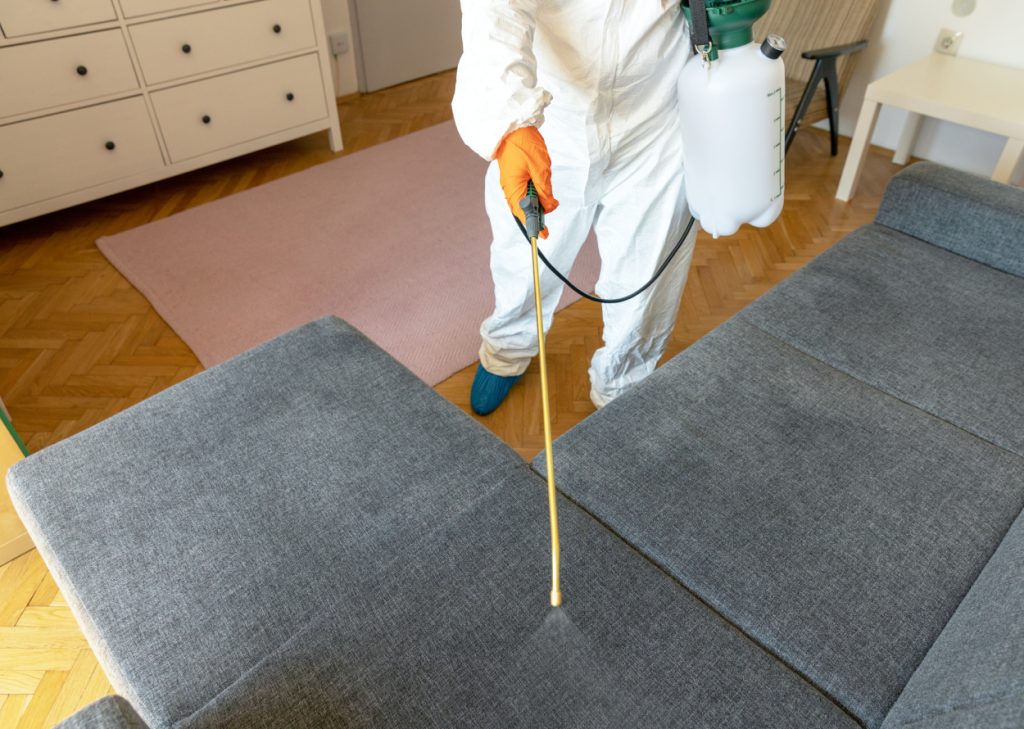

There is a place for do-it-yourself pest control. A can of ant spray for the occasional scout in the kitchen, a few sticky traps in the garage, or sealing a gap under a back door can solve minor problems before they turn into expensive ones. But there is also a point where the hardware store aisle stops being a practical solution and starts becoming a delay.
That distinction matters more than most homeowners realize. By the time many people decide to call Pest Control Services, they have already spent weeks spraying baseboards, replacing bait stations, washing linens, and second-guessing every small movement they see in the house. They have also often made the infestation harder to treat. Pests scatter, nests get disturbed, and hidden populations keep reproducing while the visible ones die off.
The smartest time to bring in a professional is not when you have completely run out of options. It is when the evidence tells you the problem is established, persistent, or potentially hazardous. Knowing where that line is can save money, protect your home, and spare you a great deal of frustration.
The difference between a nuisance and an infestation
A single insect does not always mean you need a truck in the driveway and a service plan. Houses are not sterile environments. A spider in the basement or one earwig near a patio door can simply mean something wandered inside.
What matters is pattern. Professionals look for repeat activity, hidden harborage, access points, moisture sources, food availability, and signs of breeding. The insect you see is often the least important part of the picture. The real question is what you are not seeing.
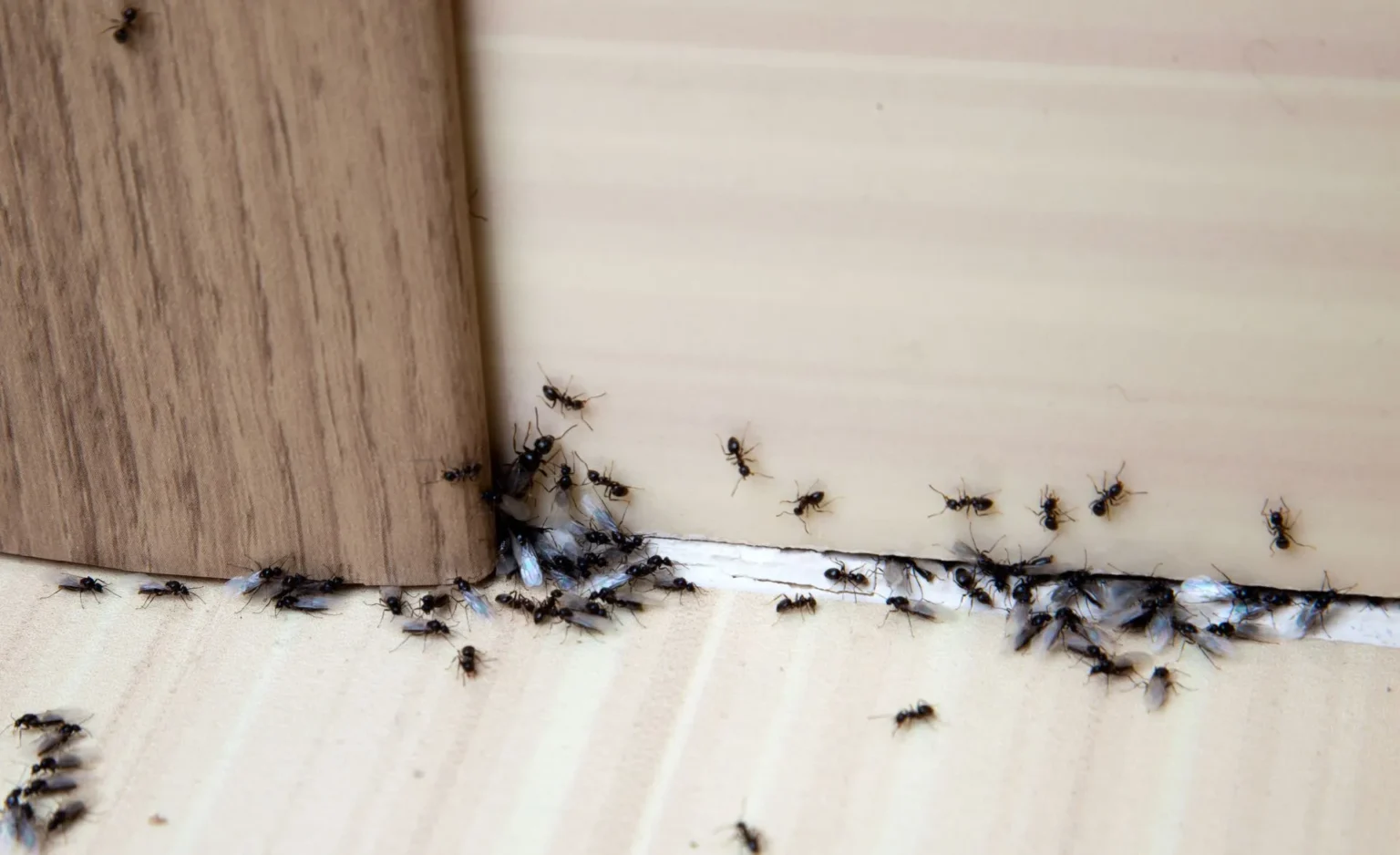
Take ants as an example. One or two can be scouts. A steady trail that reappears after cleaning usually means the colony has an established route and a reliable reward source. Roaches are another story entirely. Seeing one German cockroach in daylight is rarely a one-off event. In real service work, a daytime sighting often points to a population large enough that hiding spaces are crowded.
The same principle applies to rodents. Hearing one noise in the wall during a cold snap may not require panic. Finding droppings in multiple rooms, gnaw marks under the sink, and insulation pulled into nesting areas tells a very different story.
DIY works best on isolated, low-level activity where you can identify the pest, understand why it appeared, and interrupt the cause. It works poorly when the issue is recurring, widespread, hidden, or tied to structural conditions in the home.
Why DIY sprays often disappoint
Most over-the-counter sprays are built around convenience and quick knockdown. They can kill what they hit, and that can feel satisfying. The problem is that many infestations are not solved by killing the insects in plain sight.
Roaches, bed bugs, termites, and many ant species live in places people do not spray effectively. Behind cabinets, under flooring edges, inside wall voids, inside furniture seams, beneath insulation, under concrete slabs, and around plumbing penetrations, pests are protected from casual treatment. Even when a DIY product reaches the right area, people frequently under-apply, over-apply, or use the wrong chemistry for the target pest.
There is another issue that does not get enough attention. Improper spraying can make an infestation harder to control. Some pests respond to repellent products by spreading out. Instead of staying clustered in one treatment zone, they split and move. German cockroaches are notorious for this. A homeowner sprays under the kitchen sink, sees fewer for a few days, then starts finding them in the bathroom, laundry area, and behind appliances.
I have seen this pattern with bed bugs too. A person sprays the mattress and bed frame with a product labeled for general insects, not bed bugs specifically, or applies it inconsistently. The bugs do not disappear. They move into nearby furniture, baseboards, picture frames, or adjacent rooms. What could have been contained early turns into a multi-room treatment.
Then there is resistance. Certain pest populations, especially roaches and bed bugs in some regions, have developed tolerance to commonly used active ingredients. That means the same spray that worked for your neighbor ten years ago may barely dent the population in your home now. Professional pest control is not magic, but it does involve product knowledge, rotation strategies, monitoring tools, and treatment methods that go beyond the retail shelf.
The signs that should push you past the DIY stage
If you are trying to decide whether to keep spraying or make the call, pay attention to a few practical thresholds.
- You see the same pest repeatedly over one to two weeks despite treatment and cleanup.
- Activity shows up in more than one room or on more than one floor.
- You find droppings, cast skins, egg cases, nests, mud tubes, or damaged wood.
- Someone in the home is getting bites, having allergic reactions, or dealing with asthma triggered by pest debris.
- The pest involved is one known for structural damage, rapid reproduction, or health risk, such as termites, rodents, German cockroaches, or bed bugs.
These signs do not always mean the problem is severe, but they do mean it is established enough that a trained inspection is usually worth it.
Pests that rarely reward guesswork
Some infestations are poor candidates for casual experimentation from the start. The reason is not just difficulty. It is also the cost of getting it wrong.
Termites
When people picture termite treatment, they often picture spraying visible wood. That is rarely enough. Subterranean termites travel from the soil, exploit tiny cracks, and stay concealed for long periods. By the time you notice blistering paint, soft trim, or mud tubes, they may have been active for months or longer.
The average homeowner is not equipped to inspect sill plates, crawl spaces, slab penetrations, expansion joints, and exterior foundation details with the same eye a trained technician brings. More importantly, termite control usually requires a treatment plan tied to the structure, not just the damaged spot. That can involve soil treatment, bait systems, drilling in specific locations, or moisture correction.
If you suspect termites, professional help should not be the backup plan. It should be the first step.
Bed bugs
Bed bugs cause more emotional strain than almost any other household pest. People lose sleep, isolate belongings, wash everything repeatedly, and often become hyperaware of every speck of lint. That stress is understandable. Bed bugs are difficult because they hide exceptionally well and can survive for long periods.
A few store-bought products can play a role in a larger plan, but bed bug control depends on inspection quality, treatment thoroughness, follow-up, and often a combination of methods. Missing one cluster behind a headboard or inside a nightstand drawer can keep the infestation going. Applying the wrong product to sleeping surfaces also creates safety concerns.
When bites continue after laundering, vacuuming, and careful inspection, or when you find live bugs, fecal spotting, or shed skins, it is time to call Pest Control Services rather than cycle through more sprays.
German cockroaches
Not all roaches are the same. A large American cockroach that wandered in from a drain line or garage is very different from German cockroaches breeding behind your stove. The latter are among the most persistent indoor pests because they reproduce quickly and exploit warm, tight spaces near food and moisture.
Homeowners often make this problem worse by fogging, over-spraying, or leaving grease and crumbs in hidden areas they forgot to clean. Effective cockroach control often depends on species identification, targeted bait placement, growth regulators, dusts in the right voids, and sanitation advice that matches the infestation pattern. It is technical, not glamorous, but it works when done correctly.
If you are seeing small tan roaches with two dark stripes behind the head, especially in kitchens or bathrooms, it is wise to skip the trial-and-error phase.
Rodents
Mice and rats are often underestimated because people focus on traps. Trapping matters, but it is only one part of the job. Rodent control is really an exclusion and monitoring problem. If the access points stay open, new rodents replace the ones you remove.
Professionals think in terms of entry holes, rub marks, utility penetrations, roof intersections, garage door gaps, food storage, nesting material, and travel routes. They also know where not to place rodenticides, how to reduce secondary risks to pets, and how to assess whether attic contamination or insulation disturbance needs cleanup.
If you have repeated captures but still hear movement, or if droppings continue appearing after your own efforts, that usually means the source has not been addressed.
When the house itself is part of the problem
Some pest issues persist because the environment keeps inviting them back. A homeowner may do everything right with cleaning and still lose the battle if the structure has chronic moisture, hidden gaps, or landscaping conditions that support pest activity.
I once looked at a home where the owner had spent months fighting ants in the kitchen. She was meticulous. Counters were spotless, food was sealed, and every visible ant had been treated. The real issue was outside. A leaky spigot kept one side of the foundation wet, mulch was piled too high against the siding, and tree branches touched the roofline. The ants were not responding to indoor sprays because the colony pressure was coming from exterior conditions that never changed.
This is a common turning point. If you feel like you are winning for three days and then losing again, the problem may be less about product choice and more about access and habitat. Pest Control Services are useful here because a solid technician is not just applying chemicals. They are reading the property.
Moisture around crawl spaces invites termites, springtails, and some ant species. Dense ground cover near the foundation can support spiders and occasional invaders. Unsealed utility lines can let in mice. Poor drainage can increase mosquito breeding. Loose attic vents can become an open door for squirrels, bats, or roof rats depending on your area.
Sprays do not fix construction details. A real treatment plan accounts for them.
Health and safety are not side issues
One reason people hesitate to call a professional is the belief that store-bought means safer and professional means harsher. That is not a reliable assumption. Safety depends on the product, the application method, the location, and the person using it.
A licensed technician should be trained to apply products only where appropriate, in the correct amount, and with an understanding of label restrictions. By contrast, frustrated homeowners often overspray. They treat mattresses, kitchen counters, pet areas, children's rooms, https://elliottzoww538.yousher.com/pest-control-services-for-fleas-and-ticks-around-the-home and HVAC-adjacent spaces without understanding residue behavior or ventilation requirements.
There is also the health risk from the pests themselves. Cockroach debris can aggravate asthma. Rodents contaminate surfaces and food storage areas. Wasps create sting hazards around eaves and play spaces. Bed bug stress can affect sleep and concentration long before the bites become the main issue.
If anyone in the home is vulnerable, young children, elderly family members, pregnant occupants, or people with respiratory conditions, the threshold for calling Pest Control Services should be lower. Precision matters more in those households, not less.
The money question, and why waiting can cost more
It is easy to look at a professional inspection or treatment estimate and think, "I can buy three cans of spray for that." Sometimes that is true, and sometimes those three cans solve nothing while the infestation grows.
Consider what delay can cost. Rodents can chew wiring, contaminate pantry goods, and ruin insulation. Termites can damage framing and trim. Bed bugs spread from one room to several. Roaches can move from a localized kitchen infestation into appliances and neighboring units in multifamily housing. Carpenter ants, while not eating wood like termites, can expand galleries in damp structural areas if the moisture problem remains.
There is also the cost of your own time. Rewashing clothes, pulling furniture away from walls, scrubbing droppings, checking traps every morning, and making repeat store runs adds up quickly. I have seen households spend several hundred dollars on DIY supplies before eventually paying for professional service anyway.
That does not mean a professional is always cheaper on day one. It means the cheaper path depends on catching the right problem at the right stage. If the infestation is established, trying to save money with repeated retail treatments often becomes false economy.
What a good professional visit should actually include
Not all service calls are equal. The best results come from companies that inspect carefully and explain what they are seeing in plain language. A serious pest issue deserves more than a quick spray around the perimeter and a vague promise.
Here is what a solid visit typically involves:
- Identification of the pest, or at least a narrowing of likely species based on evidence.
- Inspection of interior and exterior conditions, including entry points, moisture, and harborage.
- A treatment plan matched to the pest, the severity, and the structure.
- Clear instructions for preparation, sanitation, and follow-up.
- Realistic expectations about timing, because many infestations require more than one visit.
That last point matters. Good pest control is often a process. If someone promises to eliminate a bed bug or German roach infestation instantly with a single casual treatment, be skeptical. Durable control usually depends on inspection, targeted work, and reassessment.
Situations where DIY still makes sense
There is no need to hand every bug problem to a professional. Homeowners can and should handle some issues themselves, especially when the cause is obvious and the activity is limited.
If you found ants because a juice spill sat under the toaster for two days, cleanup and a properly placed bait may solve it. If a few pantry moths turned up and you trace them to one neglected bag of birdseed, disposal and storage correction can end the problem. If wasps are building a very small, accessible nest under a detached shed roof and you can treat it safely with the right product at the right time, that can be manageable.
The key is honesty about scale and complexity. DIY works when you can identify the source, reach the target area, treat safely, and verify that the problem stopped. If any of those pieces is uncertain, your margin for error narrows.
One practical rule I often give people is this: if your efforts produce clear improvement within a week or two and the activity does not return, you likely had a minor problem. If the issue plateaus, spreads, or becomes confusing, you are no longer in straightforward DIY territory.
Apartment living changes the equation
In single-family homes, the source is often within the property boundaries. In apartments, condos, and townhomes, that is not always true. Roaches, bed bugs, and even ants can move between units through plumbing penetrations, wall voids, hallways, and shared utility lines.
That makes DIY much less reliable. You can treat your own kitchen perfectly and still see activity if the neighboring unit has an untreated infestation. In these settings, involving building management and professional Pest Control Services early is especially important. A piecemeal approach leaves reservoirs of activity next door, above, or below you.
This is also where documentation helps. Dates of sightings, photos, and notes about where pests appeared can support a faster, more targeted response from management or a service provider.
How to decide today, not three weeks from now
If you are standing in the pest control aisle debating whether to buy another spray, step back and ask a few blunt questions. Do you know exactly what pest you are dealing with? Do you know where it is coming from? Has the problem stayed limited to one small area? Have you seen signs of breeding, droppings, damage, or bites? Is anyone in the household at added health risk? Would getting this wrong create a larger repair bill?
If those questions make you hesitate, that hesitation is useful. It usually means the issue is no longer simple. And simple is where DIY has its best chance.
There is no shame in calling for help early. In fact, experienced homeowners often do it sooner because they know what persistent pest activity really means. They understand that the visible bug is just evidence, not the whole problem. They know that effective pest control is less about spraying harder and more about diagnosing correctly.
That is the moment Pest Control Services earn their value. Not when you are desperate, but when the signs point to a problem that needs more than guesswork.
Affordable Pest Solutions LLC
Phone number: +19732299547
FAQ About Pest Control Services
How much does pest control charge?
For a standard 1,500-square-foot home, professional pest control charges generally average $100 to $300 for an initial visit, with ongoing monthly services running $40 to $75 per visit and one-time emergency exterminations costing $100 to $600, depending heavily on the specific pest and the severity of the infestation.
What is the hardest pest to get rid of?
Bed bugs are widely considered the hardest household pest to get rid of, closely followed by German cockroaches and subterranean termites.
What is included in a pest control service?
A standard pest control service includes a property inspection, targeted treatments, and prevention advice. It typically covers common pests like ants, spiders, and cockroaches, using sprays, baits, or traps.