Pest Control Services That Combine Safety, Speed, and Effectiveness
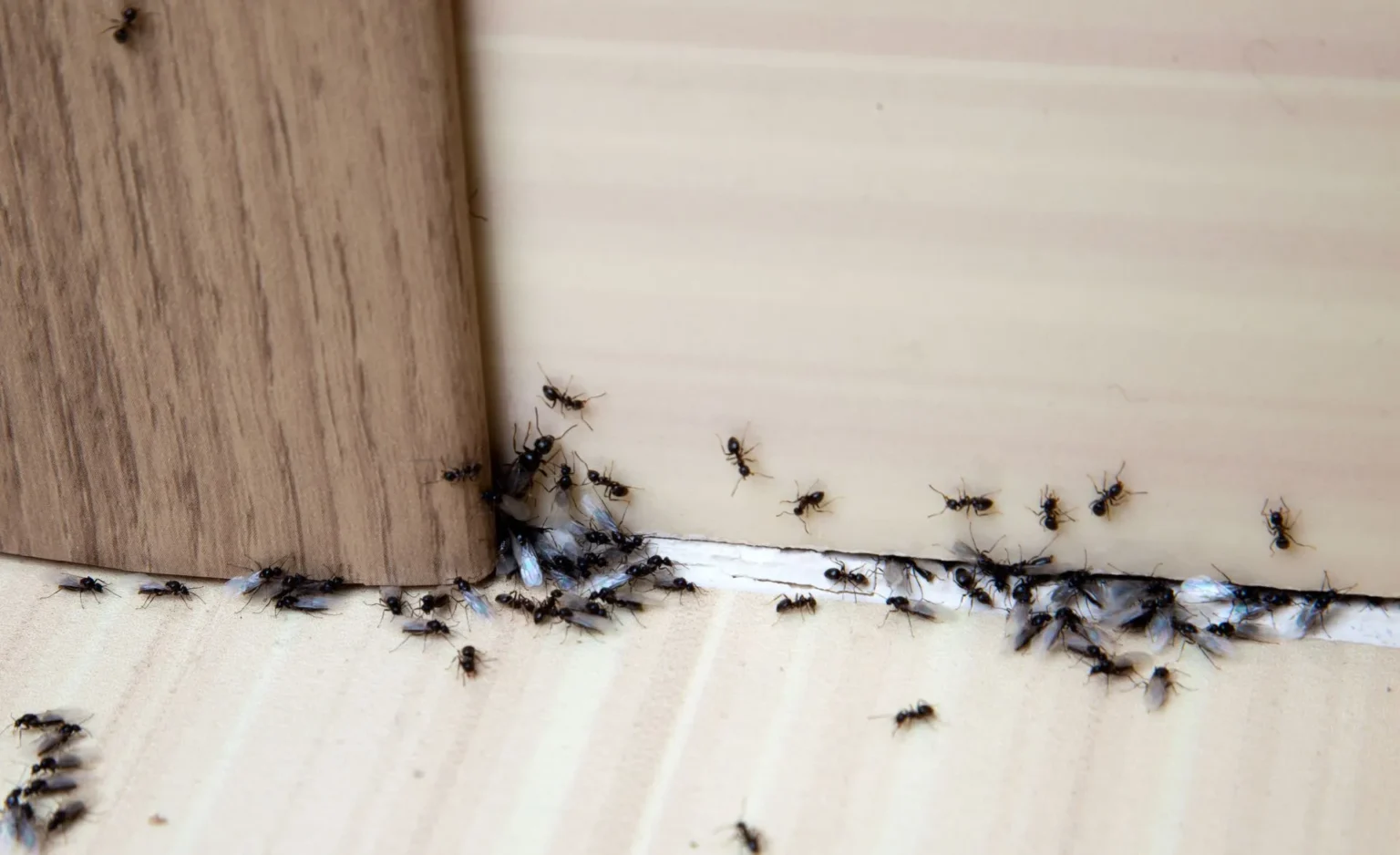

When people call for pest control, they are rarely looking for a chemistry lesson or a glossy sales pitch. They want a problem solved, quickly, without putting their family, staff, pets, or property at unnecessary risk. That sounds simple, but anyone who has worked around real infestations knows the balance is more demanding than it appears.
The fastest treatment is not always the safest. The safest option on paper is not always effective in the field. And the strongest treatment can become the worst choice if it creates odors, residue, or downtime that the client cannot tolerate. Good pest control lives in that tension. It requires judgment, not just products.
The best Pest Control Services do three things at once. They identify the pest accurately, they tailor the response to the setting, and they solve the issue with enough speed that the infestation does not get a second chance to spread. That sounds obvious, but misidentification and overapplication still cause a surprising share of failures. A property owner sees droppings and assumes mice, when the real issue is roof rats entering through overhanging branches. A restaurant spots flies and sprays the dining area, while the breeding source sits untouched in a floor drain. A homeowner panics at one bed bug and buys consumer foggers that scatter the population deeper into the walls. Speed without diagnosis is expensive. Safety without control is false comfort. Effectiveness without restraint creates a different problem.
What "safe, fast, and effective" really means on the job
Safety in pest control does not mean the absence of all risk. It means reducing risk to a reasonable and responsible level through product selection, placement, timing, exclusion work, sanitation guidance, and clear communication. If a technician treats a kitchen, the method has to reflect food contact surfaces, ventilation, child access, and cleanup procedures. If the property has dogs that nose into baseboards or cats that climb everywhere, that changes bait placement and timing. If someone in the household has respiratory sensitivity, the service plan should reflect that from the start, not as an afterthought.
Speed means two different things. The first is response time. If wasps are building by the front door, if rodents are running in a food storage area, or if a hotel room has suspected bed bugs, every day matters. The second is control time, how quickly the treatment begins reducing activity. Some pests respond within hours. Others require several life cycles, follow-up visits, and patient monitoring. An honest provider does not pretend every issue can be eliminated overnight.
Effectiveness is measured by outcomes, not by how dramatic the treatment looks. I have seen quiet, low-odor programs solve stubborn infestations that repeated spray-heavy treatments https://blogfreely.net/zoriusrfzq/pest-control-services-designed-for-hotels-and-hospitality-properties-0zgh never touched. I have also seen aggressive one-time treatments produce a few dead insects for show while leaving the breeding population intact. Real effectiveness means the source is addressed, entry points are reduced, and the conditions that support reinfestation are corrected.
Why one-size-fits-all pest control usually fails
Properties differ. Pests differ. Tolerance for disruption differs. A daycare, a warehouse, a single-family home, and a medical office cannot be serviced as though they were interchangeable.
Take cockroach work as an example. In a lightly infested apartment kitchen, a combination of gel bait, crack-and-crevice treatment, and sanitation corrections can work very well with minimal disruption. In a heavily infested restaurant, that same approach may need mechanical cleaning, drain treatment, void applications, equipment pull-outs, and repeated follow-up visits to deal with harborage near heat and moisture. The word "roach treatment" covers both scenarios, but the field work is not remotely the same.
The same is true for rodents. A homeowner may expect traps alone to solve the problem. Yet if a structure has quarter-inch gaps around utility penetrations, worn door sweeps, and attic access from tree limbs, trapping only removes the visible part of the issue. Exclusion is what turns a short-term reduction into control. That is why strong Pest Control Services often spend as much time inspecting and sealing as they do applying anything.
This is also where inexperienced providers get into trouble. They reach for the same broad treatment pattern at every site because it is familiar and easy to sell. It can create the illusion of action, but pests exploit details. Termites follow moisture gradients and hidden wood contact. Ant species respond differently to sugar-based and protein-based baits depending on the colony's needs. Stored product pests can persist because of one overlooked bag of birdseed in a garage or one forgotten shelf of dry goods in a pantry. Generic service misses specific causes.
Inspection is where safety and speed begin
The safest treatment often starts with looking harder, not spraying faster.
A thorough inspection answers the questions that matter. What species are we dealing with? Where are they active? What is attracting them? How are they entering? What life stage is present? Does the treatment area include children, pets, food, electronics, textiles, or sensitive materials? Without these answers, the technician is guessing.
In practice, good inspection can save both time and chemical exposure. If ants are trailing from a landscaping bed through a utility line gap, exterior baiting and sealing may solve the problem with little or no interior treatment. If pantry moths are breeding in a neglected bag of pet food, disposal and cleaning can end the cycle faster than repeated residual application. If mosquitoes are coming from standing water in clogged gutters, empty planters, and a decorative barrel, source reduction may matter more than a fogging service that fades in a few days.
One of the clearest signs of professional maturity is when a technician is willing to say, "Treatment is only part of this." Clients often appreciate that honesty once they understand the reason. It is hard to beat the speed of solving the actual cause.
The methods that deliver the best balance
The industry has moved steadily toward more targeted and lower exposure strategies, and that has been a good thing. Not because every older method was wrong, but because precision usually performs better.
Here are the approaches that most often combine safety, speed, and effectiveness well:
- Targeted baits for ants, roaches, and some rodents, placed where pests feed or travel, away from casual contact.
- Crack-and-crevice applications instead of broad surface treatments, especially in kitchens, bathrooms, utility areas, and voids.
- Traps and monitors that confirm activity, reduce populations, and help verify whether the plan is working.
- Exclusion work such as sealing gaps, screening vents, improving door sweeps, and trimming vegetation from rooflines.
- Sanitation and moisture correction, which remove food, water, and shelter that chemical treatment alone cannot solve.
None of these methods is glamorous. That is part of the point. Effective pest management is often quiet, measured work. The result is a smaller treatment footprint, fewer unnecessary applications, and better long-term control.
That does not mean liquid residuals, dusts, or fumigation never have a place. They do. Severe infestations, inaccessible void activity, wood-destroying pests, and large-scale commercial issues may require stronger or more specialized interventions. The difference is that a capable provider knows when those tools are justified and when they are excessive.
Speed matters most when the pest can escalate quickly
Some pests give you time. Others do not.
German cockroaches can turn a moderate problem into a severe one faster than many property owners realize, especially in multifamily housing or food service environments where heat, moisture, and food are abundant. Rodents can contaminate stored items and chew wiring. Bed bugs spread through luggage, furniture movement, shared walls, and housekeeping carts. Wasp nests near entrances create immediate sting risk. In these cases, a delayed response often raises the cost and complexity of the solution.
But speed should not be confused with rushing. The best fast service usually looks organized rather than frantic. The technician arrives with the right inspection tools, asks the right questions, checks likely harborage zones first, documents findings, and acts on the most consequential issues that same visit. That may include setting monitors, placing bait, removing conducive conditions, treating active nesting zones, or scheduling a second step within days rather than weeks.
Commercial accounts understand this well. In a restaurant, for example, seeing two or three cockroaches in the wrong place at the wrong time can create a serious reputational problem. The response needs to be immediate, but also discreet and compliant with how the facility operates. The treatment cannot interfere with prep surfaces, stored ingredients, or opening hours. Safety and speed are inseparable there because a poorly executed fast treatment can be as damaging as the pests themselves.
Where homeowners and managers should ask harder questions
The quality gap between providers is often obvious once the conversation starts. Some companies lead with price and a blanket promise. Better ones lead with process, limits, and fit.
A few questions reveal a lot:
- How will you confirm which pest is present before treatment?
- What parts of the plan reduce risk to children, pets, staff, or food areas?
- What should I expect after service, including follow-up timing and any preparation?
- What non-chemical corrections matter most for this specific infestation?
- How will you know whether the treatment worked, and what happens if activity continues?
These questions do not make a client difficult. They make the work clearer. A seasoned technician should be able to answer them directly, without hiding behind jargon. If a provider cannot explain why a method fits the pest and the setting, that is a warning sign.
It is also worth noticing whether the recommendation matches the evidence. If you describe occasional perimeter ants and receive a proposal for an extensive interior treatment without inspection, skepticism is reasonable. If you mention one mouse sighting and nobody asks about droppings, rub marks, attic access, garage clutter, or exterior gaps, the diagnosis is incomplete.
Safety is built through communication, not just labels
Even the right treatment can go sideways if expectations are vague.
Clients should know whether they need to leave the property for a period, whether food or utensils must be covered, whether pets need to be kept out of treated zones, and whether windows or ventilation should be handled a certain way. They should also know what they may still see afterward. With some pests, post-treatment activity briefly increases as insects flush from harborages. With others, the decline is gradual because the method depends on transfer, feeding, or life cycle interruption.
This matters because poor communication creates unnecessary fear and unnecessary callbacks. I have seen people mop up bait placements because nobody explained what they were looking at. I have seen freshly treated baseboards wiped down immediately because the service notes were too vague. I have seen residents assume a bed bug treatment failed because they found one live bug two days later, when the actual expectation was several weeks of monitored decline with a scheduled follow-up.
Professional Pest Control Services do not just apply products. They prepare people for what comes next.
Special cases where trade-offs become sharper
Not every site allows an ideal sequence.
In healthcare settings, safety margins are understandably strict. In food manufacturing, audit requirements can be just as important as direct pest reduction. In historic buildings, access and material sensitivity complicate treatment. In apartment buildings, one unit's cooperation may be undermined by another unit's neglect. In each of these cases, the best plan may not be the most complete plan in a single visit. It may be the best achievable plan under operational constraints.
Bed bug work is a good example. Heat treatment can be highly effective and relatively fast when done properly, but it can be expensive and logistically demanding. Conventional treatment may cost less upfront, but it often requires more preparation, more visits, and strict follow-through. Neither option is universally better. The right choice depends on infestation spread, budget, clutter levels, occupant compliance, and the items present in the space.
Termite work carries its own trade-offs. A liquid barrier can provide strong structural protection when installed correctly, but soil conditions, construction type, drainage, and accessibility all influence the result. Baiting systems can reduce colony pressure and support ongoing monitoring, but they demand disciplined service intervals. Faster visible action is not the only measure that matters when the target pest operates largely out of sight.
Prevention is the part people underestimate
Many infestations begin with mundane maintenance failures. A dripping pipe under a sink. A torn vent screen. A garage door that leaves a half-inch light gap. Dense mulch against a foundation. Boxes stored undisturbed for years. Fruit left exposed. Recycling that stays sticky. A floor drain that never gets cleaned.
This is not a moral failing, and it is not always easy to catch. Life is busy. Buildings age. Tenants change. Staff turns over. Still, prevention remains the least disruptive form of pest control because it avoids the escalation phase.
What makes prevention practical is specificity. Telling a homeowner to "keep things clean" is weak advice. Telling them that the mouse activity is concentrated near the pantry because spilled birdseed is collecting behind shelving is useful. Telling a property manager that the recurring drain flies are linked to organic buildup in a mop sink area is useful. Telling a restaurant that deliveries need to be inspected at receiving because stored product pests often arrive in infested packaging is useful. Good advice names the pressure point.
What effective service looks like after the first visit
A lot of pest control problems are not solved in one appointment, even when the first appointment is excellent. That should not be taken as failure. It is often how responsible service works.
A proper follow-up may involve checking monitor counts, refreshing bait where feeding is strong, closing gaps discovered after initial control, or reassessing whether the original source was only part of the picture. With rodents, trap success without reduced sightings may indicate additional entry points. With ants, a colony shift can require changing bait type. With roaches, a dramatic drop in one area may expose untreated harborages elsewhere.
What matters is whether the service plan is adaptive. Static programs fail dynamic infestations. This is especially true in commercial settings where inventory moves, doors open frequently, and sanitation pressure changes day to day. A smart technician notices those patterns and adjusts.
Choosing a provider for the long term
The strongest Pest Control Services tend to share a few habits. They inspect carefully. They document clearly. They explain their reasoning. They do not oversell chemicals when exclusion, trapping, or sanitation will do more. They also do not undersell difficult infestations just to win a contract.
Professionalism shows up in small details. Arrival windows are respected. Treatment records are legible. Recommendations are practical rather than generic. Follow-up commitments are kept. If a product or method has limitations, those limitations are stated plainly. That kind of honesty usually predicts better results than grand promises.
Price matters, of course. But pest control is one of those services where a cheaper first invoice can become the expensive option if the infestation lingers, spreads, or damages reputation. For a home, that may mean months of frustration. For a business, it can mean failed inspections, negative reviews, lost customers, or product contamination. The right service does not always cost the least. It costs less than unresolved pests.
At its best, pest control is not about using the strongest product or creating the biggest visible response. It is about applying judgment under real conditions. The safe choice has to work. The fast choice has to be responsible. The effective choice has to fit the people and the property involved. When those three priorities are treated as partners rather than rivals, pest control stops being reactive and starts becoming reliable.
Affordable Pest Solutions LLC
Phone number: +19732299547
FAQ About Pest Control Services
How much does pest control charge?
For a standard 1,500-square-foot home, professional pest control charges generally average $100 to $300 for an initial visit, with ongoing monthly services running $40 to $75 per visit and one-time emergency exterminations costing $100 to $600, depending heavily on the specific pest and the severity of the infestation.
What is the hardest pest to get rid of?
Bed bugs are widely considered the hardest household pest to get rid of, closely followed by German cockroaches and subterranean termites.
What is included in a pest control service?
A standard pest control service includes a property inspection, targeted treatments, and prevention advice. It typically covers common pests like ants, spiders, and cockroaches, using sprays, baits, or traps.